Sewing
Bias Tape Calculator
Work out the fabric square to cut for continuous bias tape or binding, plus strip width, strip count, and yield, for single- or double-fold tape.
- Updates as you type
- Inches or centimetres
- Copy or print your results
Calculator
Continuous bias square
Enter your measurements above
JavaScript required for calculations
What size square makes 4 yards of 1/2" double-fold bias tape?
For 144" (4 yd) of 1/2" double fold tape, cut from fabric 42" wide once the selvages are off:
You enter
- Tape length needed
- 144" (365.8 cm)
- Finished tape width
- 1/2" (1.3 cm)
- Tape type
- Double fold
- Fabric width available
- 42" (106.7 cm)
You get
- Square to cut
- 18" (45.5 cm)
- Strip width
- 2" (5.1 cm)
- Strips
- 6
- Tape yield
- 145-3/4" (about 4 yd) (366.8 cm (about 3.6 m))
The formula: strip width = finished width × 4 (double fold) or × 2 (single fold); square side = √(length × strip width ÷ 0.9), rounded up to 1/8". The 0.9 keeps 10% for seams.
How wide do I cut bias strips?
Bias tape sizes name the finished, folded width (WAWAK). The yield allowance follows So Sew Easy; for squares that won't fit, see Sew4Home.
| Finished width | Double fold strip | Single fold strip |
|---|---|---|
| 1/4" (0.6 cm) | 1" | 1/2" |
| 3/8" (1.0 cm) | 1-1/2" | 3/4" |
| 1/2" (1.3 cm) | 2" | 1" |
| 3/4" (1.9 cm) | 3" | 1-1/2" |
| 1" (2.5 cm) | 4" | 2" |
Frequently asked questions
Why is bias tape cut on the diagonal?
Woven fabric barely stretches along the straight grain, but it gives noticeably on the bias, at 45° to the selvage. Tape cut on the bias can curve smoothly around necklines, armholes, and rounded corners and lie flat without puckering. Straight-grain tape is fine for straight edges, but it ripples or pleats on a curve.
What's the difference between single-fold and double-fold bias tape?
Single-fold tape has both long edges pressed to the center; it's used as a facing or casing where it won't show. Double-fold tape is single-fold tape folded in half again, so it wraps an edge and finishes both sides at once. Package sizes name the finished, folded width, so cut strips twice the finished width for single fold and four times it for double fold, as WAWAK and Clover's bias tape makers specify.
How does the continuous bias method work?
Cut the square in half on the diagonal, sew the two triangles together along a straight-grain edge to make a parallelogram, and mark lines one strip width apart parallel to the bias edges. Sew the other two straight-grain edges together with the lines offset by one strip, forming a tube, then cut along the line in a spiral to get one long strip. A square of side S cut into strips of width W yields about S × S ÷ W of tape. The seams and the offset ends use some of that, so the calculator keeps a 10% allowance, the default in So Sew Easy's bias calculator.
What if the square is wider than my fabric?
A square can't be wider than the fabric it's cut from. When the size you need won't fit, the calculator splits the cut into equal squares that each fit your fabric width, and you join the finished tapes end to end with diagonal seams. Measure the width with the selvages trimmed off, since selvages don't stretch or fold like the rest of the fabric.
Related tools
Which sewing machine should I use for this project?
Three picks from starter to step-up, sold in Canada and the US. Want a match for your budget? Take the machine picker.
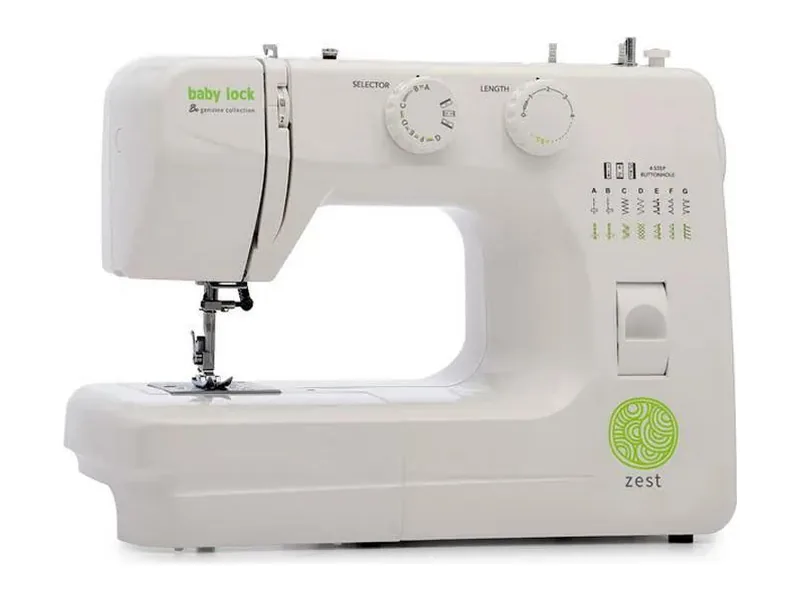
The starter
Baby Lock Zest 15S
CA$299 · US$209
15 built-in stitches · Mechanical · 4-step buttonhole
See it at your shop →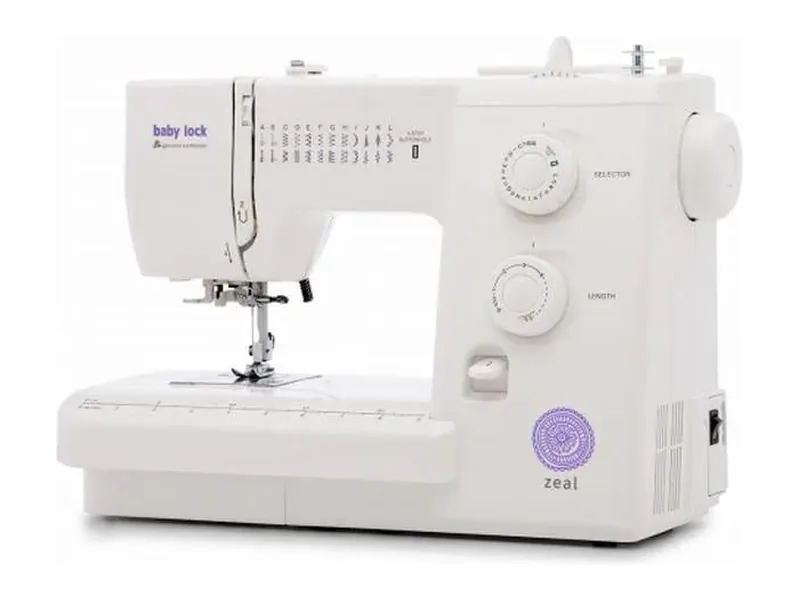
The easy threader
Baby Lock Zeal
CA$499 · US$409
25 built-in stitches · Mechanical · Built-in needle threader
See it at your shop →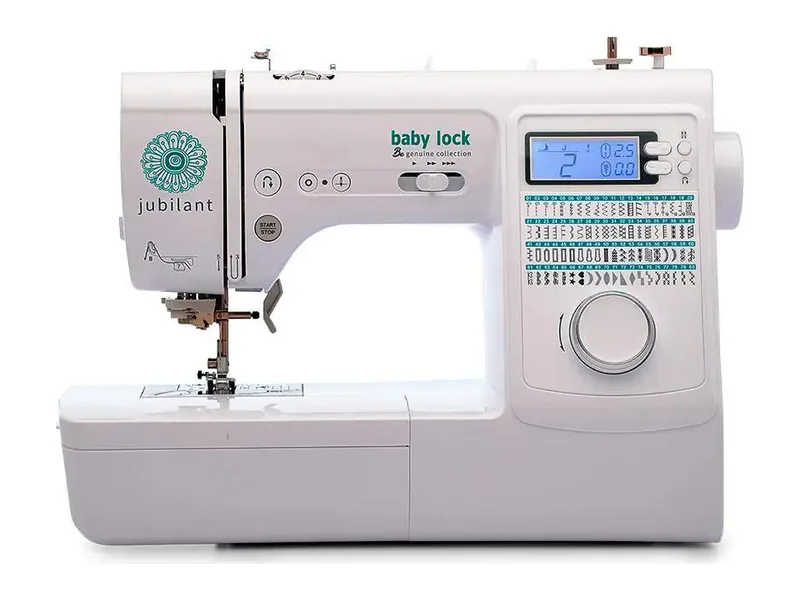
The all-rounder
Baby Lock Jubilant
CA$899 · US$699
80 built-in stitches · Computerized · 1-step buttonhole
See it at your shop →
We may earn a commission when you buy through these links. It never changes your price.