Sewing
Elastic Calculator
Work out how long to cut elastic for a waistband, cuff, or sleeve from your body measurement, elastic type, and how snug you want it.
- Updates as you type
- Inches or centimetres
- Copy or print your results
Calculator
Cut your elastic
Enter your measurements above
JavaScript required for calculations
How long do I cut elastic for a 30" waist?
For a 30" waist with knitted elastic at comfortable tension:
You enter
- Body measurement
- 30" (76.2 cm)
- Body part / elastic
- Waist / knitted
- Tension
- Comfortable
You get
- Cut elastic
- 28" (71.2 cm)
- Stretch factor
- 0.90 (10% shorter than the body)
- Recommended width
- 1" to 2" (2.5 cm to 5.1 cm)
The formula: cut length = body measurement × stretch factor + 1" overlap, rounded up to 1/8".
What stretch factor does each elastic use?
The factors the calculator uses, by elastic type and tension. Values marked * are interpolated; the rest come from Threads magazine and Melly Sews. Braided uses the knitted factors.
| Elastic | Snug | Comfortable | Loose |
|---|---|---|---|
| Braided | 0.85 | 0.90 | 0.95* |
| Knitted | 0.85 | 0.90 | 0.95* |
| Woven (non-roll) | 0.93* | 0.97 | 1.00 |
Recommended widths: waist 1"–2" · hip 1"–1-1/2" · wrist 1/8"–1/4" · ankle 1/2"–3/4" · upper arm 1/4"–1/2".
Frequently asked questions
Why is elastic cut shorter than the body measurement?
Elastic only grips while it's slightly stretched. Cut to the full measurement, a waistband sits loose and slides down; cut a little shorter, it stretches to fit and holds the garment in place. How much shorter depends on how firm the elastic is and how snug you want it.
How much shorter should I cut elastic?
This calculator multiplies your measurement by a stretch factor and adds 1" to overlap and join the ends. Knitted and braided elastic use 0.85 (snug), 0.90 (comfortable), and 0.95 (loose); firmer woven elastic uses 0.93, 0.97, and 1.00. Threads magazine recommends about 1" less than the waist for firm non-roll elastic and 2–5" less for soft and sport elastics, and Melly Sews cuts woven elastic to the body measurement; the knitted loose (0.95) and woven snug (0.93) values are interpolated between those.
What's the difference between braided, knitted, and woven elastic?
Braided elastic has lengthwise ridges, narrows when stretched, and loses stretch if you sew through it — use it in casings. Knitted elastic is soft, stays the same width when stretched, and can be sewn through, which suits lingerie, swimwear, and lightweight waistbands. Woven (non-roll) elastic is the firmest and thickest, keeps its width, and resists rolling, so it's cut closest to the body measurement for waistbands that take strain.
What width of elastic should I use?
Waistbands usually take 1" to 2" elastic (wider for sportswear), hips 1" to 1-1/2", wrists and gathered sleeves 1/8" to 1/4", ankles 1/2" to 3/4", and upper arms 1/4" to 1/2". Make the casing about 1/4" wider than the elastic.
Related tools
Which sewing machine should I use for this project?
Three picks from starter to step-up, sold in Canada and the US. Want a match for your budget? Take the machine picker.
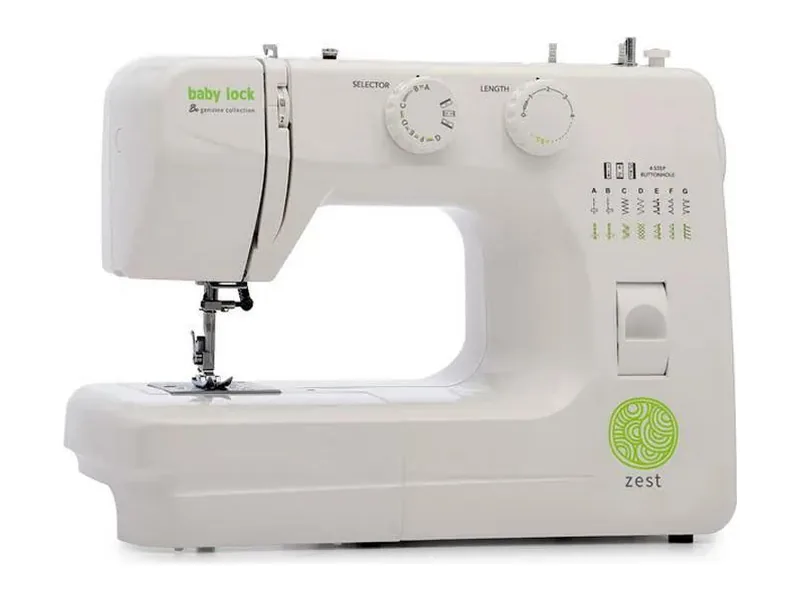
The starter
Baby Lock Zest 15S
CA$299 · US$209
15 built-in stitches · Mechanical · 4-step buttonhole
See it at your shop →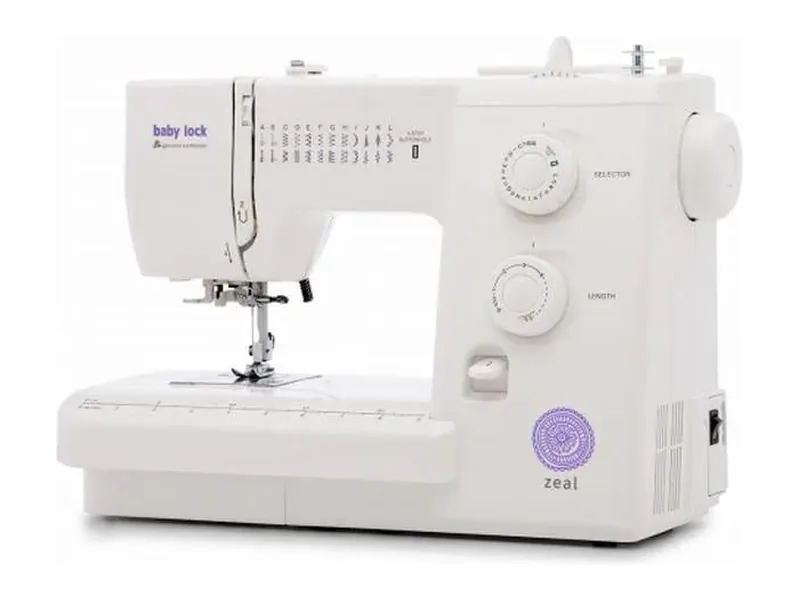
The easy threader
Baby Lock Zeal
CA$499 · US$409
25 built-in stitches · Mechanical · Built-in needle threader
See it at your shop →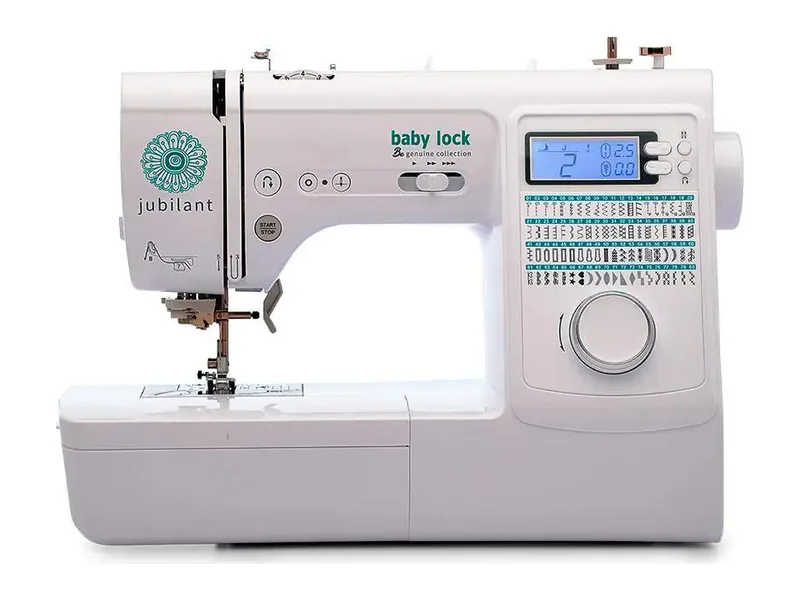
The all-rounder
Baby Lock Jubilant
CA$899 · US$699
80 built-in stitches · Computerized · 1-step buttonhole
See it at your shop →
We may earn a commission when you buy through these links. It never changes your price.