Sewing
Gathered Fabric Calculator
Find how wide to cut fabric before gathering it to a finished width, at 1.5x, 2x, 2.5x, 3x, or a custom fullness ratio, seam allowances included.
- Updates as you type
- Inches or centimetres
- Copy or print your results
Calculator
Cut before gathering
Enter your measurements above
JavaScript required for calculations
How wide do I cut fabric for a 36" ruffle?
For a 36" finished ruffle at 2× fullness with 1/2" seam allowances:
You enter
- Finished gathered width
- 36" (91.4 cm)
- Fullness ratio
- 2×
- Seam allowance
- 1/2" (1.3 cm)
You get
- Cut width before gathering
- 73" (185.5 cm)
- Ratio applied
- 2×
The formula: cut width = finished width × fullness ratio + 2 × seam allowance: 36" × 2 + 2 × 1/2" = 73", rounded up to 1/8".
Which fullness ratio suits which fabric?
The calculator's presets, following BERNINA's gathering guide and Threads magazine. Pick Custom for anything in between.
| Ratio | Suits | 36" finished |
|---|---|---|
| 1.5× | Heavy fabrics: denim, canvas, corduroy, wool | 55" |
| 2× | Medium-weight fabrics: quilting cotton, linen, chambray | 73" |
| 2.5× | Lightweight fabrics: lawn, voile, batiste, rayon challis | 91" |
| 3× | Sheers: chiffon, georgette, organza, tulle | 109" |
Last column: the cut width for the worked example's 36" ruffle with 1/2" seams.
Frequently asked questions
Which fullness ratio should I use for my fabric?
Match the ratio to the fabric's weight. Lightweight fabrics such as lawn, voile, and batiste gather well at 2.5× to 3×, and sheers like chiffon and organza can take 3× to 4×. Medium-weight cottons and linen look full at 2×. Heavier fabrics bulk up past 2×, so denim, canvas, and wool usually stop at 1.5×. BERNINA's gathering guide gives the same bands, and Threads magazine calls 2× to 2.5× attractive in most fabrics.
Why is seam allowance added at both ends?
The ends of a gathered piece are sewn into side seams or joined to the next panel, so they stay flat rather than gathered. The calculator multiplies only the finished width by the fullness ratio, then adds one seam allowance at each end so the gathered section still covers the full finished width once the ends are stitched.
What if the cut width is wider than my fabric?
Cut two or more strips across the width of the fabric and sew them end to end before gathering. Add a seam allowance to each strip end at every join, and press the joining seams open so they sink into the gathers. Spreading the joins evenly, such as at the side seams of a skirt, keeps them out of sight.
How do I gather fabric evenly?
Sew two parallel rows of long basting stitches inside the seam allowance, leaving long thread tails. Mark the gathered piece and the edge it joins into halves and quarters, pin the marks together, then pull the bobbin threads from both ends and spread the gathers evenly between the pins before stitching between the two basting rows.
Related tools
Which sewing machine should I use for this project?
Three picks from starter to step-up, sold in Canada and the US. Want a match for your budget? Take the machine picker.
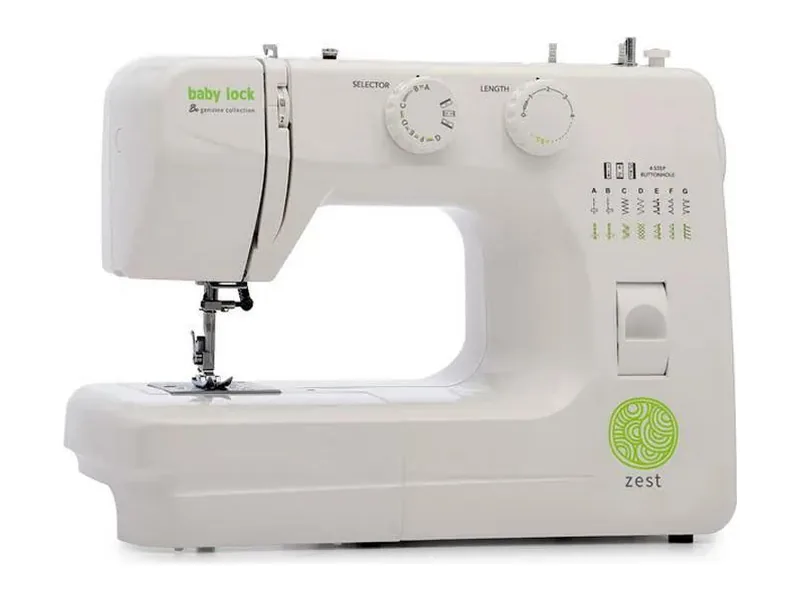
The starter
Baby Lock Zest 15S
CA$299 · US$209
15 built-in stitches · Mechanical · 4-step buttonhole
See it at your shop →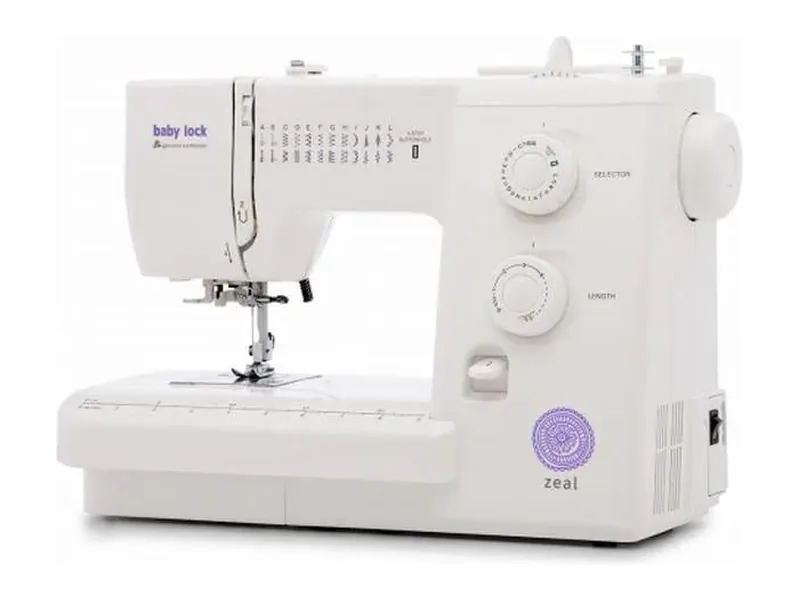
The easy threader
Baby Lock Zeal
CA$499 · US$409
25 built-in stitches · Mechanical · Built-in needle threader
See it at your shop →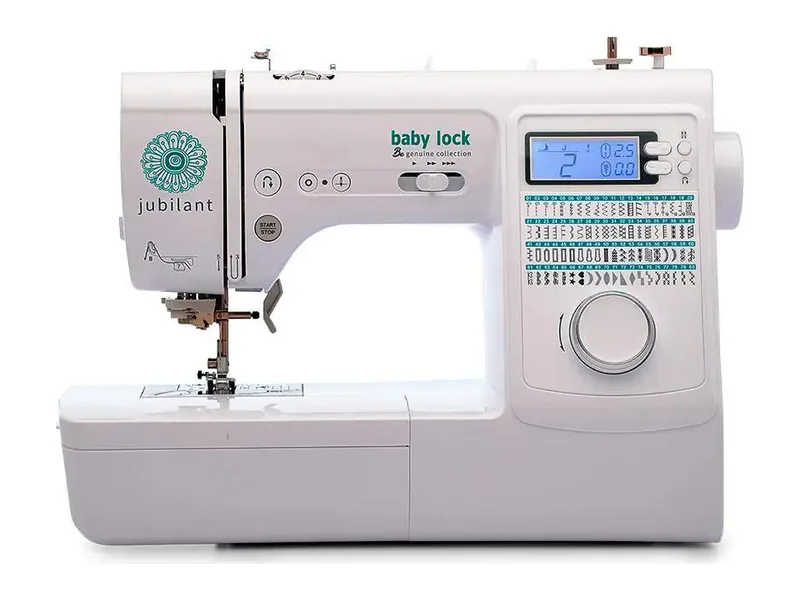
The all-rounder
Baby Lock Jubilant
CA$899 · US$699
80 built-in stitches · Computerized · 1-step buttonhole
See it at your shop →
We may earn a commission when you buy through these links. It never changes your price.