Sewing
Dart Calculator
Turn the gap between a body measurement and the garment into dart intake per dart and a recommended length for bust, waist, or shoulder darts.
- Updates as you type
- Inches or centimetres
- Copy or print your results
Calculator
Dart intake
Enter your measurements above
JavaScript required for calculations
How deep are the darts on a skirt back?
For a skirt back piece that measures 17" across the waist before darts, fitted to 15" (half the back waist plus ease), with 2 darts:
You enter
- Garment before darts
- 17" (43.2 cm)
- Body at the dart line
- 15" (38.1 cm)
- Dart type
- Waist — skirt back
- Number of darts
- 2
You get
- Intake per dart
- 1" (2.5 cm)
- Dart length
- 5" (12.7 cm)
- Total intake
- 2" (5.1 cm)
The formula: total intake = garment measurement − body measurement; intake per dart = total ÷ number of darts, rounded to the nearest 1/8".
How long should each dart be?
The lengths the calculator uses, measured from the seam toward the point. Skirt and shoulder lengths follow the American Sewing Guild's dart guide (from Joan Anderson's SEW/FIT); the split rule follows Modéliste Créative.
| Dart | Length | Why |
|---|---|---|
| Bust (side seam) | Seam to bust point − 1" | Stops short of the apex (Oliver+S; sewing.org allows 1-1/4" to 1-1/2") |
| Waist — bodice front | Waist to bust point − 1" | Stops short of the apex, like a bust dart |
| Waist — skirt front | 3-1/2" (8.9 cm) | sewing.org: 3" to 4", always 1" shorter than the back |
| Waist — skirt back | 5" (12.7 cm) | sewing.org: 4" to 5", ending above the fullest part of the seat |
| Shoulder (back bodice) | 3" (7.6 cm) | sewing.org: "most shoulder darts are 3" long" |
Frequently asked questions
Why shouldn't a bust dart reach the apex?
A dart that runs all the way to the bust point ends in a sharp, pointed tip right where the body is roundest, so the fabric pokes out in a cone instead of curving. Stopping short lets the shaping fade out over the fullest part. The calculator stops bust darts 1" short, which suits most figures; sewing.org (from SEW/FIT) gives 1-1/4" to 1-1/2" for bodice darts, and fuller cups often need 1-1/2" to 2".
Should I sew one large dart or two smaller ones?
One deep dart is hard to sew smoothly and won't press flat, and it puts all the shaping at a single point. Pattern makers keep a single dart to about 1-1/2" (3–4 cm) of intake; past that, split it into two narrower darts side by side, with the one nearer the side seam about 3/4" shorter (Modéliste Créative). The calculator flags any dart deeper than 1-1/2" and works out how many darts would keep each one under that.
Which measurements do I enter?
Measure the garment or pattern piece across the line the darts sit on (for example, the waistline of a skirt back) before any darts are sewn, and the body at the same line plus the ease you want. Use the same basis for both: the whole garment with every dart counted, or one pattern piece with only its darts. The difference is the total intake the darts take in.
Do the darts have to take in all of the difference?
No. On a skirt or bodice, the side seams usually take in part of the waist reduction and the darts take the rest, which spreads the shaping more naturally around the body. If your side seams already curve in, enter the garment measurement after that side-seam shaping, so the calculator only splits what's left between the darts.
Related tools
Which sewing machine should I use for this project?
Three picks from starter to step-up, sold in Canada and the US. Want a match for your budget? Take the machine picker.
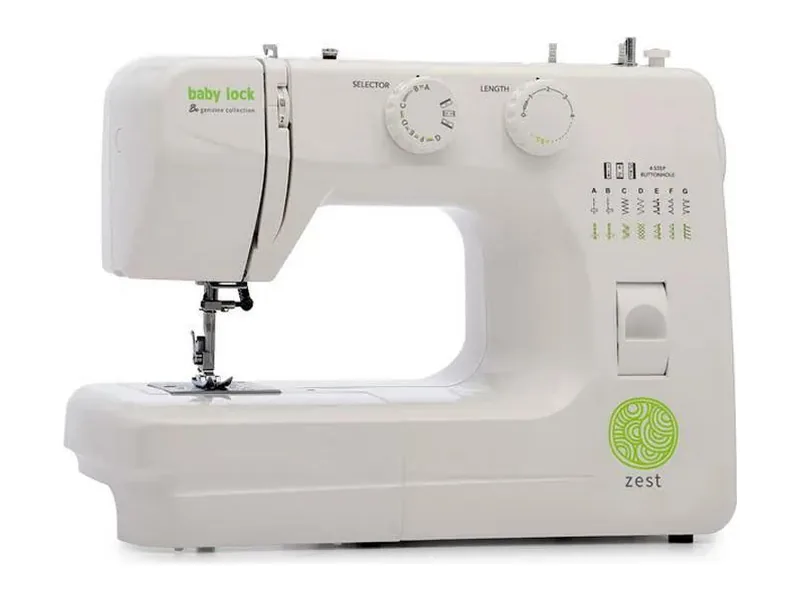
The starter
Baby Lock Zest 15S
CA$299 · US$209
15 built-in stitches · Mechanical · 4-step buttonhole
See it at your shop →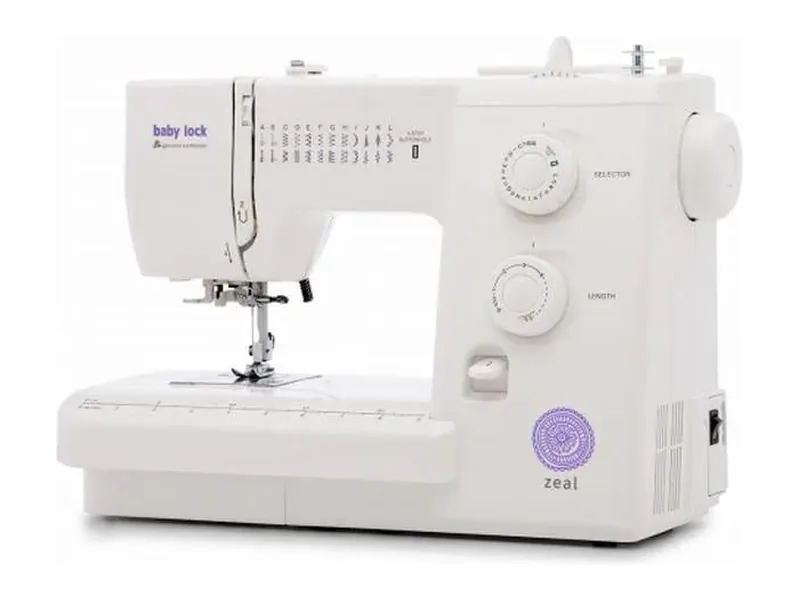
The easy threader
Baby Lock Zeal
CA$499 · US$409
25 built-in stitches · Mechanical · Built-in needle threader
See it at your shop →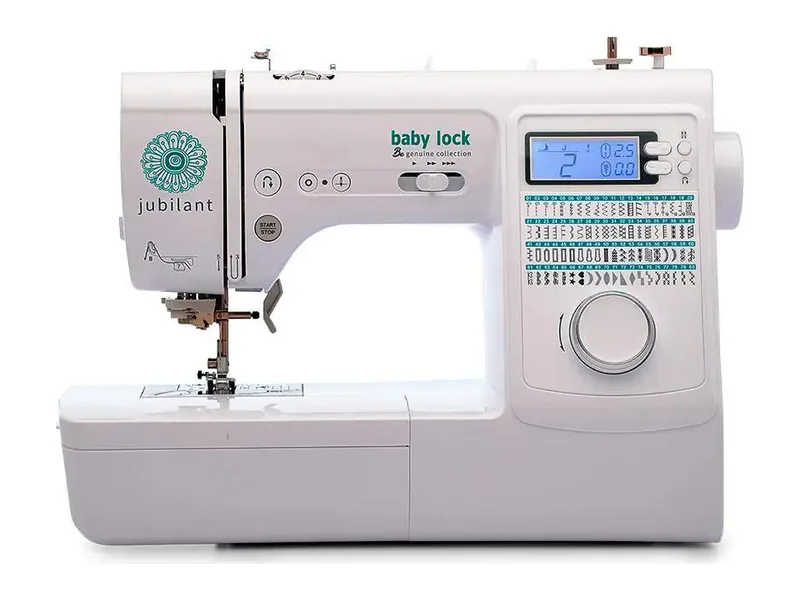
The all-rounder
Baby Lock Jubilant
CA$899 · US$699
80 built-in stitches · Computerized · 1-step buttonhole
See it at your shop →
We may earn a commission when you buy through these links. It never changes your price.